
How to switch food without stress
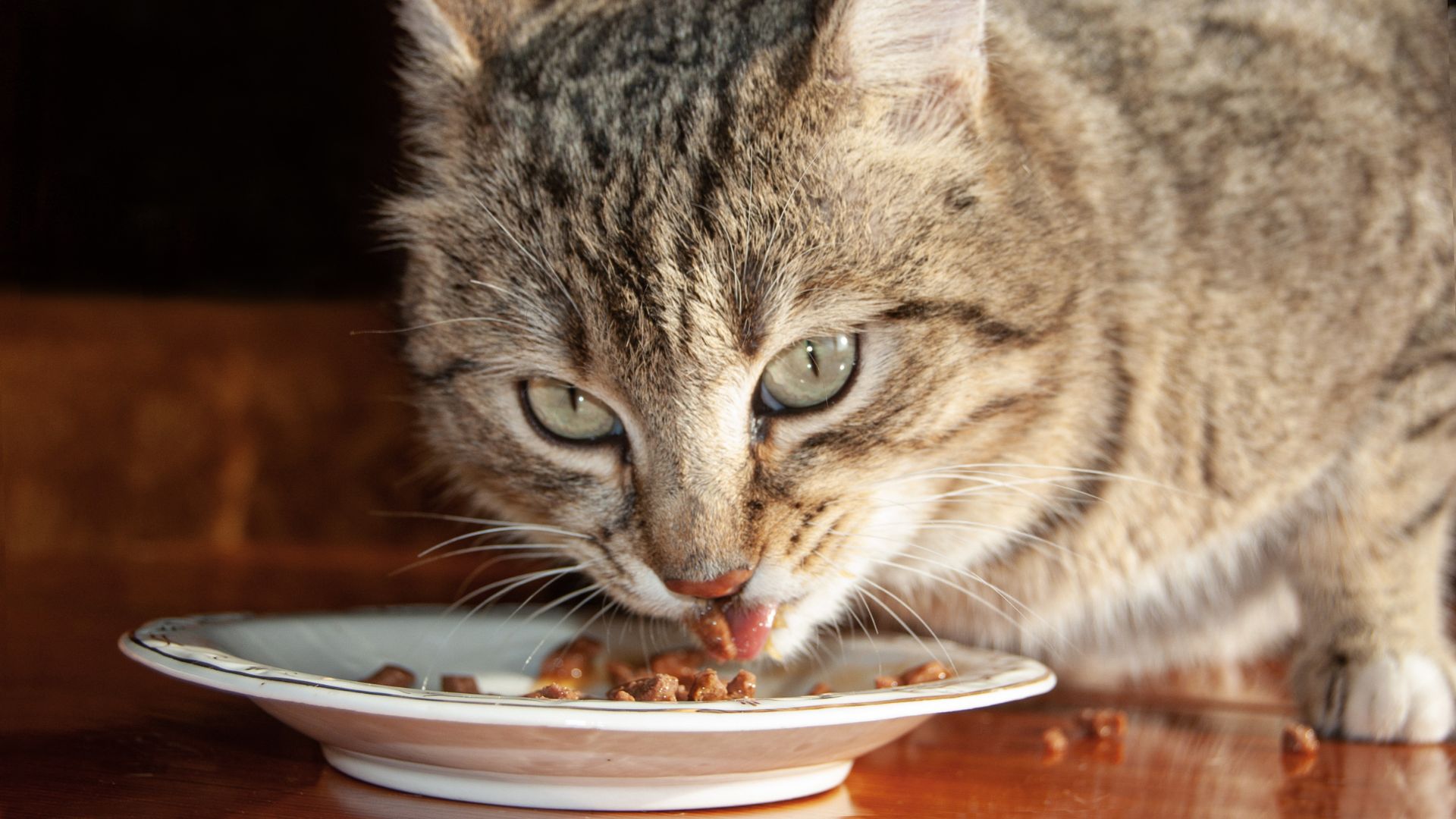
You want to switch your cat’s food, but your cat looks at the new bowl contents as if you’d served them stones? You’re not alone. Cats are creatures of habit, and it shows especially clearly when it comes to food.
The good news: With the right approach, the food change works smoothly for most cats. All it takes is a little patience and a plan. You’ll get both here.
Why you shouldn’t switch overnight
Your cat’s digestive tract is adapted to its usual food. The gut flora has adapted to it too.
If you switch abruptly, many cats react with diarrhea, vomiting, or simply refusing to eat. That’s unpleasant for your cat and frustrating for you—and it often means an actually good food gets rejected too quickly.
That’s why the rule is: mix gradually instead of switching cold turkey.
The 7-day plan for changing food
For most healthy cats, one week is completely enough. Here’s how to do it:
| Day | Share of new food | Share of old food |
|---|---|---|
| Days 1–2 | 25 % | 75 % |
| Days 3–4 | 50 % | 50 % |
| Days 5–6 | 75 % | 25 % |
| from day 7 | 100 % | – |
Important: Mix the new food well into the old. If you just put it next to it, your cat will reliably pick it out. Cats are surprisingly good at that.
The gentle 14-day plan for sensitive cats
Does your cat have a sensitive stomach, is it older, or has it reacted badly to a food change before? Then take twice as much time.
- Days 1–3: 10% new food
- Days 4–6: 25% new food
- Days 7–9: 50% new food
- Days 10–12: 75% new food
- from day 13: 100% new food
If digestive issues come up in between, simply go back one step and stay there for a few more days.
Your cat won’t eat the new food—what now?
It happens. These tricks help in most cases:
Bring the food to room temperature. Cold food straight from the fridge hardly smells. But cats decide with their nose first. Let it sit briefly or warm it slightly.
Add a little of the old food on top. The familiar smell lowers the barrier.
Check the bowl and the location. Shallow, wide bowls are more comfortable because the whiskers don’t bump into the sides. And the bowl shouldn’t be next to the litter box or in a noisy spot.
Cut out snacks. If your cat gets treats all day, there’s no reason to try something new.
Introduce set times. Put the bowl down for 20 to 30 minutes, then take it away. That creates real motivation to eat.
Don’t give in. If you serve the old food again at the first hesitation, your cat learns exactly that.
One important limit: If your cat eats nothing at all for more than 24 hours, stop experimenting and go to the vet. Cats must not starve, because it can lead to dangerous fatty liver disease. This is especially true for overweight animals.
What’s normal—and what isn’t
Normal during the transition:
- Slightly softer stool in the first few days
- Brief hesitation or sniffing before eating
- A different smell or a different color of stool
Not normal—please have it checked by a vet:
- Persistent diarrhea for more than two to three days
- Repeated vomiting
- Complete refusal to eat for over 24 hours
- Apathy, fever, or unusual behavior
When changing food is worth it
A change makes sense if the current food contains lots of plant-based fillers or sugar, if your cat digests poorly, has a dull coat, or if a life stage changes—for example, from kitten to adult cat.
Wanting better quality is also a completely legitimate reason. Cats are obligate carnivores, and a high proportion of animal protein is exactly what they need.
A gentle start with the trial pack
Before you commit to one variety, it’s smart to find out what your cat actually likes. That’s exactly what our trial pack is for: all four varieties—chicken, beef, turkey and trout—in one set, plus a small surprise for your darling.
MyLILO cat food is made up of 98% animal protein and is gently cooked. This careful preparation ensures the food smells and tastes intense—which makes switching much easier for many cats. How our food is made exactly, you can find out here.
Frequently asked questions about switching cat food
How long does it take to switch cat food?
For healthy cats, the food change takes about seven days. For sensitive, older, or stomach-sensitive cats, you should allow two weeks. The key is to mix the new food into the old step by step.
What should I do if my cat won’t eat the new food?
Bring the food to room temperature, mix in a little of the old food, and cut out snacks in between. Set feeding times help too. If your cat eats nothing at all for more than 24 hours, please go to the vet.
Is diarrhea normal when changing food?
Slightly softer stool in the first few days isn’t unusual when switching food. If diarrhea lasts longer than two to three days or vomiting is added, you should stop the transition and seek veterinary advice.
Can I switch cat food from one day to the next?
It’s possible, but not recommended. An abrupt change often leads to digestive problems and your cat rejecting the new food. A gradual transition over seven days is much more reliable.
How often can I change my cat’s food?
Within one brand, you can alternate varieties regularly—that adds variety in the bowl. A complete change of food brand, on the other hand, shouldn’t happen all the time, but only if there’s a good reason for it.