The Perfect Feeding Spot: Where Cats Prefer to Eat
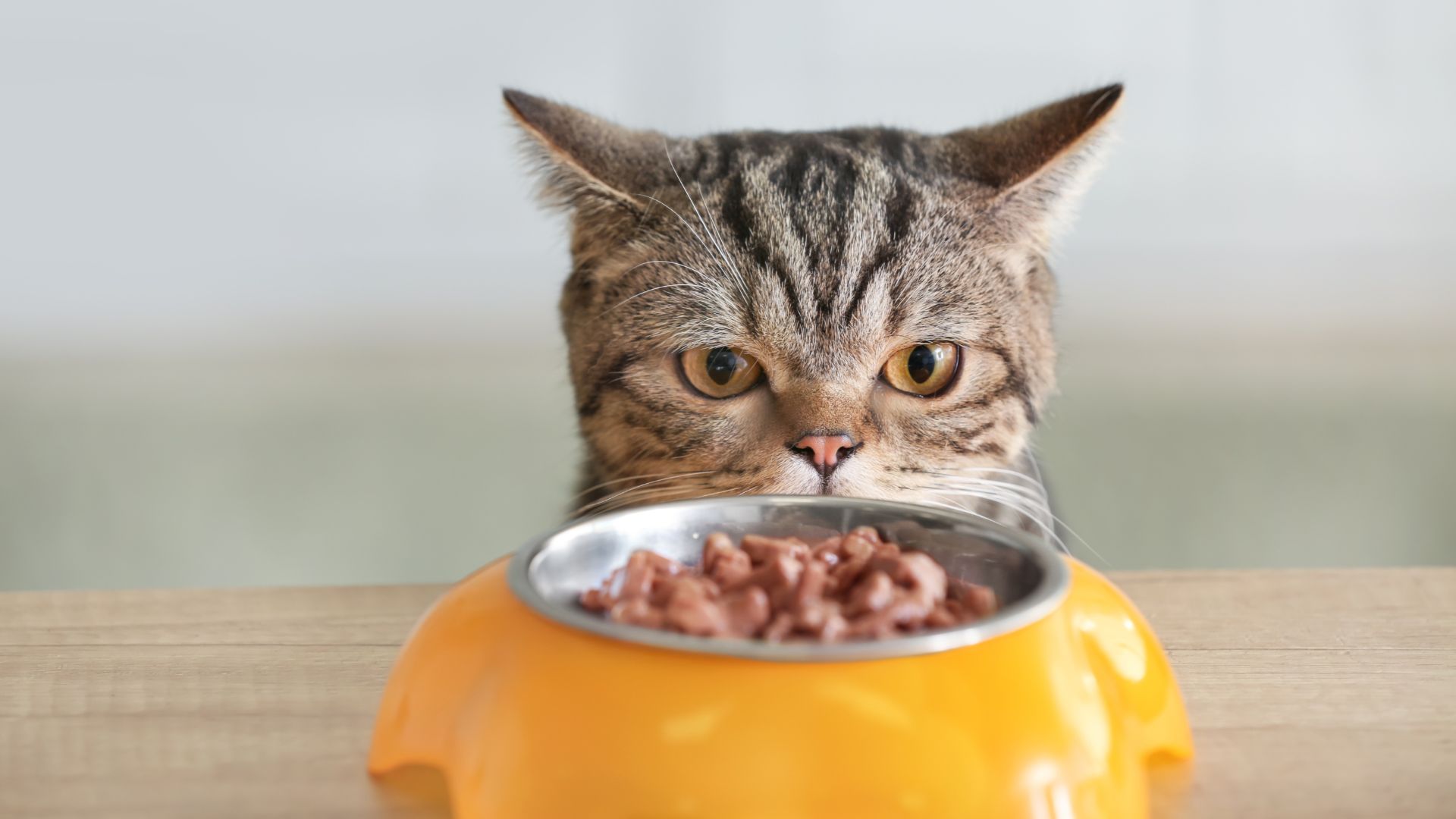
Cats are sensitive creatures of habit with fine senses. Not only the quality of the food determines whether the bowl is emptied with enthusiasm, but also the place where it is served. An unsuitable feeding spot can cause stress in feline friends and even lead to a loss of appetite. What is important when choosing the right location and how do you create the ideal feel-good oasis for your cat?
Peace and Security Take Priority
In the wild, cats are exposed to potential dangers while eating. This primal instinct still resides in our pets today. Therefore, choose a quiet location away from high-traffic areas like hallways or doors. Loud household appliances such as washing machines or dishwashers should also not be in the immediate vicinity.
A good overview is also important: place the bowl so that your cat sits with its back to the wall while eating and can survey the room. If it feels watched or pressured, it often eats hastily or refuses the meal entirely.
The Golden Rule: Separation of Food, Water, and Litter Box
A common mistake in everyday life is the proximity to the litter box. Cats have an extremely keen sense of smell and would never eat where they relieve themselves in the wild. Therefore, keep several meters distance between the litter box and the feeding station.
The same applies to the water bowl: in nature, big cats avoid water sources located directly next to their prey to avoid contamination. Therefore, it is best to place the water bowl or drinking fountain in another room or at a clear distance from the food. This also encourages your cat to drink more fluids.
Floor Surface and Bowl Choice
The surface should be non-slip, easy to wash, and hygienic. A non-slip mat prevents rattling noises that can irritate easily startled animals. For bowls, flat dishes made of ceramic or glass are recommended. Narrow, deep bowls often rub against sensitive whiskers (“Whisker Fatigue”), which many cats find uncomfortable.
What Belongs in the Bowl?
The best feeding spot is of little use if the content does not meet biological needs. Cats are strict carnivores. A species-appropriate diet is based on a high proportion of real meat without unnecessary fillers or artificial additives. Gently cooked meals with a high animal protein content naturally smell fresh and support healthy digestion.
Questions About Cat Feeding Spots
Why doesn’t my cat eat its food in its usual spot?
Common causes include noise sources, drafts, a litter box placed too close, or proximity to the water bowl. Stress from other pets or unpleasant odors from strong cleaning agents on the floor can also play a role.
Can multiple cats eat next to each other?
Mostly not. Cats are solitary hunters and often perceive eating in close proximity to other cats as a competitive situation. Offer each cat its own feeding station at a sufficient distance to avoid food aggression and stress.
How often should the feeding spot be cleaned?
Food remnants should be removed after each meal, and bowls should be washed daily with hot water. With wet food, germs quickly form at room temperature, which can deter a cat’s fine sense of smell.